Embarking on a polar expedition as a beginner opens up a world of thrilling challenges and breathtaking experiences. From essential gear to wildlife encounters, this guide covers everything you need to know to kickstart your icy adventure.
Introduction to Polar Expeditions for Beginners
Polar expeditions are adventurous journeys to the Arctic or Antarctic regions, known for their extreme cold temperatures, icy landscapes, and unique wildlife. These expeditions offer a once-in-a-lifetime opportunity to explore some of the most remote and pristine environments on Earth.The appeal of polar expeditions for beginners lies in the sense of adventure and discovery they provide. From witnessing the breathtaking beauty of the polar landscapes to encountering rare wildlife species such as polar bears, penguins, and seals, these expeditions offer a chance to experience nature in its purest form.For first-time polar explorers, there are several challenges and considerations to keep in mind.
The harsh climate, unpredictable weather conditions, and remote locations require careful planning and preparation. It is essential to be physically fit, mentally prepared, and equipped with the necessary gear to ensure a safe and enjoyable expedition. Additionally, understanding and respecting the fragile ecosystem of the polar regions is crucial to minimize the impact on the environment.
Essential Gear and Clothing for Polar Expeditions
When embarking on a polar expedition, having the right gear and clothing is crucial for your safety and comfort in extreme conditions.
Layering Clothing
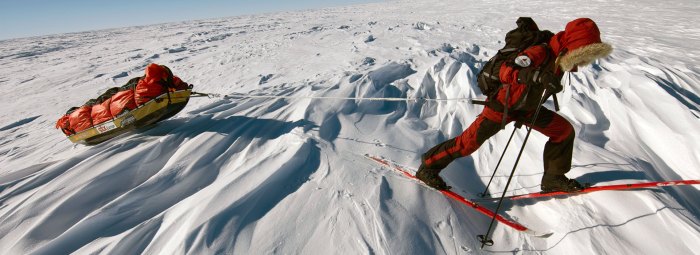
Layering is essential in polar environments to regulate body temperature and protect against the cold. The layering system typically includes a base layer, mid layer, and outer layer.
- Base Layer: Moisture-wicking and insulating material to keep you dry and warm.
- Mid Layer: Insulating layer to trap heat and provide extra warmth.
- Outer Layer: Waterproof and windproof shell to protect against elements like snow and strong winds.
Choosing the Right Boots
Boots are one of the most important pieces of gear for polar expeditions as they protect your feet from frostbite and provide traction on icy surfaces.
- Insulated Boots: Ensure they are waterproof and have sufficient insulation to keep your feet warm.
- Traction: Look for boots with good grip and traction to prevent slips on ice and snow.
Selecting Outerwear
Outerwear plays a vital role in keeping you protected from the harsh polar conditions. Choose outerwear that is durable, waterproof, and windproof.
- Parka: Invest in a high-quality parka with insulation to keep you warm in sub-zero temperatures.
- Pants: Opt for waterproof and insulated pants to protect your lower body from snow and cold winds.
Safety Precautions and Training for Polar Expeditions
Before embarking on a polar expedition, beginners must be aware of the following safety measures and training requirements.
Safety Measures for Polar Expeditions
- Always travel with a qualified guide who has experience in polar regions.
- Carry emergency communication devices such as satellite phones or personal locator beacons.
- Dress in layers to stay warm and protect against extreme cold.
- Avoid traveling alone and always stay with the group.
- Be aware of the signs of frostbite and hypothermia and know how to treat them.
Importance of Training for Polar Expeditions
- Training sessions provide valuable information on polar survival skills and navigation techniques.
- Learning how to set up a camp, build a shelter, and navigate in snowy conditions is crucial for a successful expedition.
- Training also includes information on wildlife encounters and how to handle emergency situations.
Preparing for Emergencies in Remote Polar Regions
- Carry a well-equipped first aid kit with supplies for treating common injuries and illnesses.
- Develop an emergency plan with the group, including protocols for communication and evacuation.
- Practice using emergency equipment such as stoves, tents, and GPS devices before the expedition.
- Stay informed about weather conditions and be prepared to change plans if necessary for safety reasons.
Choosing the Right Polar Expedition Tour
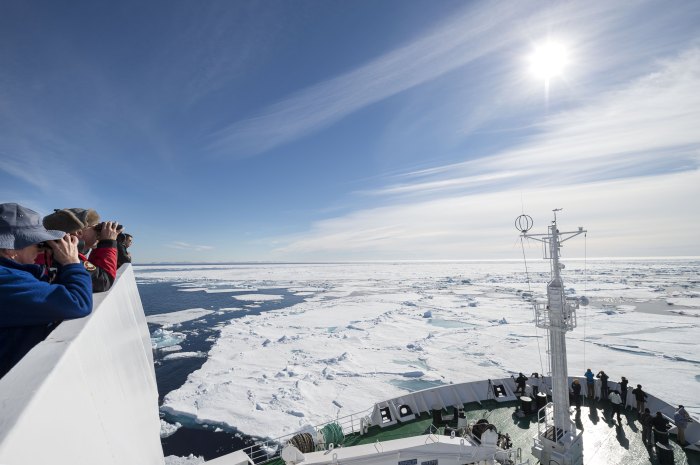
When it comes to embarking on a polar expedition as a beginner, selecting the right tour is crucial for a safe and enjoyable experience. There are various factors to consider when choosing between Antarctic and Arctic expeditions, as well as selecting a reputable tour operator that suits your needs.
Types of Polar Expeditions for Beginners
- Antarctic Expeditions: Known for its vast icy landscapes and unique wildlife, Antarctic expeditions offer a chance to explore the southernmost continent. These expeditions typically involve visits to research stations, observing penguins, seals, and whales, as well as experiencing the stunning Antarctic scenery.
- Arctic Expeditions: Arctic expeditions take you to the northern polar region, where you can witness the beauty of the Arctic wilderness, encounter polar bears, walruses, and Arctic foxes, and experience the culture of indigenous communities. These expeditions often include activities like dog sledding and snowshoeing.
Factors to Consider when Choosing a Tour Operator
- Reputation and Experience: Look for tour operators with a good reputation and years of experience in conducting polar expeditions. Check reviews and testimonials from previous participants.
- Safety Measures: Ensure that the tour operator prioritizes safety and provides adequate safety equipment and trained guides for the expedition.
- Itinerary and Activities: Consider the itinerary of the expedition, including the activities offered, duration of the trip, and any special highlights such as wildlife encounters or cultural experiences.
- Group Size: Some tour operators offer small-group expeditions, which can provide a more personalized experience and better access to wildlife sightings.
Duration, Cost, and Level of Difficulty of Polar Expeditions
- Duration: Polar expeditions can vary in length, ranging from a few days to several weeks. Consider your availability and comfort level when selecting the duration of the expedition.
- Cost: The cost of polar expeditions can vary depending on the destination, duration, accommodations, and activities included. Compare prices from different tour operators to find a trip that fits your budget.
- Level of Difficulty: Evaluate the physical requirements and level of difficulty of the expedition, including any hiking, snowshoeing, or other activities involved. Choose an expedition that matches your fitness level and interests.
Wildlife Encounters in Polar Regions
Polar regions are home to a diverse range of wildlife species adapted to survive in extreme conditions. As a beginner on a polar expedition, encountering these unique animals can be a once-in-a-lifetime experience that requires responsible observation and interaction.
Unique Wildlife Species
- Polar Bears: The iconic symbol of the Arctic, polar bears are powerful predators that roam the sea ice in search of seals.
- Penguins: Found in Antarctica, penguins are expert swimmers and adorable creatures that thrive in the harsh environment of the southern polar region.
- Arctic Foxes: These small and agile creatures have adapted to survive in the harsh Arctic climate, changing their fur color with the seasons.
Tips for Observing and Photographing Wildlife Responsibly
- Maintain a safe distance: Respect the animals’ space and avoid disturbing their natural behavior by keeping a safe distance when observing or taking photos.
- Use a telephoto lens: Capture close-up shots without intruding by using a telephoto lens to maintain a safe distance from the wildlife.
- Minimize noise and movement: Stay quiet and avoid sudden movements to prevent startling the animals and disrupting their natural habitat.
Significance of Wildlife Conservation
Preserving the delicate balance of polar ecosystems is crucial for the survival of these unique wildlife species and the overall health of the planet.
Maintaining conservation efforts in polar regions is essential to protect the biodiversity and ensure the long-term sustainability of these pristine ecosystems.
Cultural Interactions and Local Communities in Polar Regions
Exploring the indigenous cultures and communities that inhabit polar regions can provide a unique and enriching experience during a polar expedition. It is important to respect local traditions and customs to ensure a positive interaction with the people living in these remote areas.
Indigenous Communities in the Arctic
One of the most well-known indigenous groups in the Arctic region is the Inuit people. They have a rich cultural heritage that includes traditional practices such as hunting, fishing, and storytelling. Beginners on polar expeditions can engage with Inuit communities through cultural exchanges, workshops, and guided tours to learn about their way of life.
Indigenous Cultures in Antarctica
Although Antarctica does not have permanent indigenous populations, various research stations and tourist operators collaborate with local communities in South America, such as the Chilean and Argentineans, to support logistics and cultural exchanges. Beginners can participate in organized visits to these stations to interact with researchers and learn about the history and challenges of living in Antarctica.
Environmental Impact and Sustainability in Polar Expeditions
When it comes to polar expeditions, it’s crucial to consider the environmental impact of tourism in these fragile regions. The pristine ecosystems of the polar regions are particularly vulnerable to human activities, and it’s essential to minimize our footprint to preserve these unique environments for future generations. Sustainable travel plays a significant role in protecting polar ecosystems. By practicing sustainable travel, we can reduce our negative impact on the environment and help support conservation efforts in these remote regions.
This approach focuses on minimizing waste, conserving resources, and respecting the local wildlife and communities.
Eco-Friendly Practices During Polar Expeditions
- Use biodegradable and environmentally friendly products to minimize pollution.
- Follow designated trails and guidelines to avoid disturbing wildlife habitats.
- Reduce energy consumption by turning off lights and electronics when not in use.
- Minimize waste by recycling and properly disposing of trash in designated areas.
- Support local conservation initiatives and responsible tour operators that prioritize sustainability.
Conclusive Thoughts
As you wrap up your journey through this guide, remember that polar expeditions offer not just exploration but also a profound connection to nature and culture. Stay prepared, stay informed, and create memories that will last a lifetime in the icy expanses of the poles.
Frequently Asked Questions
What wildlife can beginners expect to see on a polar expedition?
Beginners can encounter polar bears, penguins, seals, and various bird species unique to these regions.
Is training necessary before going on a polar expedition?
Yes, it’s crucial to undergo safety training and orientation to prepare for the challenges of polar environments.
How can beginners minimize their environmental impact during a polar expedition?
Beginners can reduce their impact by following eco-friendly practices like minimizing waste and respecting wildlife habitats.